Insurance Claims for Tree Damage: What’s Covered and What’s Not
Severe storms can leave behind a trail of fallen trees, broken limbs, and costly property damage. After a storm, many homeowners are faced with two immediate concerns: arranging professional storm cleanup and determining whether their insurance policy will cover the damage. Understanding what is and isn’t covered can help you avoid surprises and speed up the recovery process.
Does Homeowners Insurance Cover Tree Damage?
In many cases, homeowners insurance covers tree-related damage when it results from a covered peril, such as:
- Windstorms
- Hailstorms
- Lightning strikes
- Heavy snow or ice accumulation
- Fallen trees caused by severe weather
If a tree falls on your home, garage, fence, shed, or other insured structure due to a covered event, your policy will typically help pay for repairs. Coverage may also include debris removal, though limits often apply.
When Insurance Usually Covers Storm Cleanup
After a major storm, insurance may cover storm cleanup costs when:
A Tree Falls on an Insured Structure
If a storm causes a tree to fall on your house or another covered building, most policies will pay for:
- Structural repairs
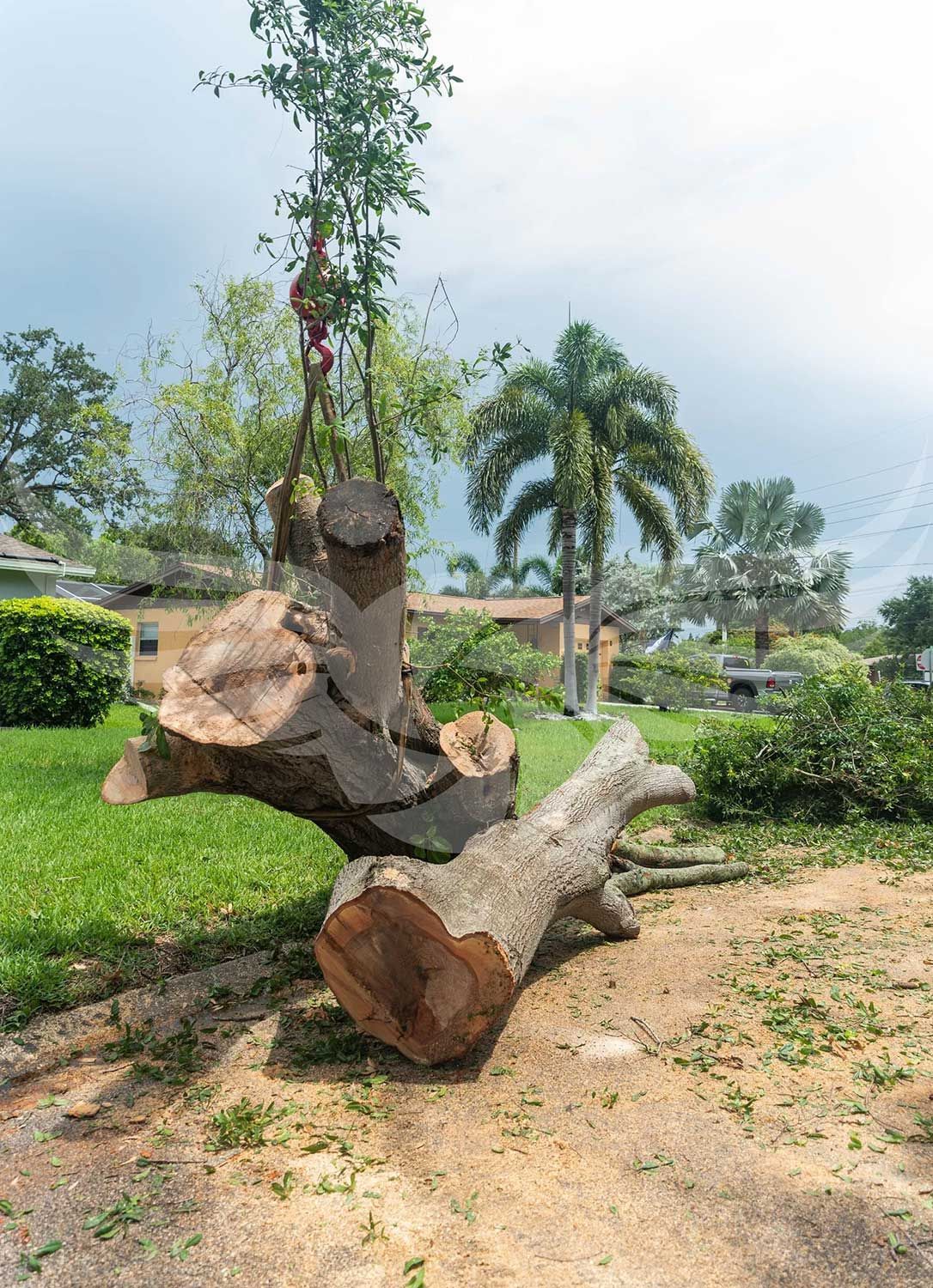
- Removal of the fallen tree from the structure
- Debris cleanup related to the covered loss
A Fallen Tree Blocks Access
Some insurance providers may cover removal costs if a fallen tree blocks a driveway, wheelchair ramp, or other access point to your property.
Storm Damage Creates Immediate Hazards
Emergency tree removal may be covered when a damaged tree poses a direct threat to people or insured property after a covered storm event.
What Insurance Typically Does Not Cover
While storm-related damage is often covered, there are important exceptions.
Tree Falls Without Damaging Property
If a tree falls in your yard during a storm but doesn't hit a structure, insurance may not cover removal costs. Homeowners are often responsible for cleanup expenses in these situations.
Neglected or Diseased Trees
Insurance companies generally deny claims involving trees that were:
- Dead
- Diseased
- Rotting
- Poorly maintained
If an insurer determines the tree was already hazardous before the storm, coverage may be limited or denied.
Preventive Tree Removal
Removing a tree before it falls, even if it appears dangerous, is usually considered maintenance and is not covered by homeowners insurance.
Steps to Take After Storm Damage
If your property has suffered tree damage after a storm, follow these steps:
1. Prioritize Safety
Stay away from downed trees, hanging branches, and power lines. Never attempt to remove storm-damaged trees yourself if there is any risk involved.
2. Document the Damage
Take photos and videos of:
- Fallen trees
- Damaged structures
- Debris
- Impact points
These records can support your insurance claim.
3. Contact Your Insurance Company
Notify your insurer as soon as possible and ask about coverage details, deductibles, and documentation requirements.
4. Schedule Professional Storm Cleanup
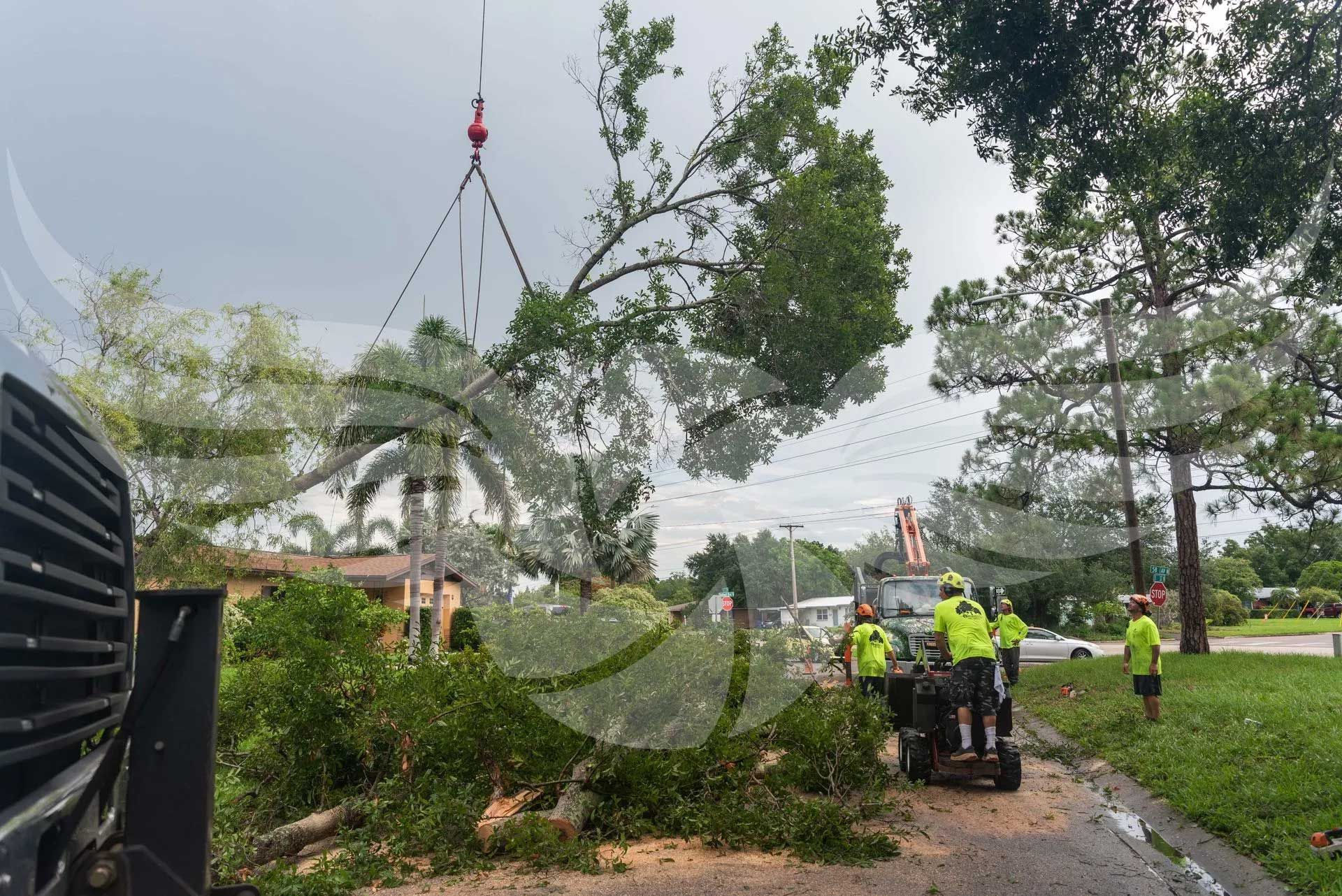
A professional tree service can safely remove fallen trees, clear debris, and help prevent additional property damage.
Trust O'Brien's Tree Service LLC for Fast, Reliable Storm Cleanup
When storms strike, you need a team that responds quickly and works safely. O'Brien's Tree Service LLC provides professional storm cleanup, emergency tree removal, debris clearing, and tree care services to help homeowners recover after severe weather.
Whether a tree has fallen on your property or you're dealing with dangerous storm-damaged limbs, our experienced team is ready to help restore your property and peace of mind. Contact us today to schedule your tree service. We proudly serve St. Pete, Clearwater, Largo, Belleair, Palm Harbor, Dunedin, FL, and beyond.